We recover
what was stolen.
In 48 hours or less, we freeze crypto in motion — before it vanishes into mixers, bridges, and off-ramps.
Trusted by leading organizations.
Exchanges, law firms, and institutional clients worldwide.
What we do.
Full-cycle crypto asset recovery. From first trace to final court order — forensic precision at every step.
Crypto Tracing
On-chain analysis across wallets, bridges, and exchanges. We follow every satoshi.
Asset Freeze
LEA coordination to freeze funds before they're moved. Acting within hours, not days.
Crypto Recovery
Full-cycle: freeze, court order, asset repatriation. We own every step.
Scam Investigation
Deep investigation of phishing, fraud, rug pulls, impersonation — we map the full attack vector.
AML Monitoring
Transaction monitoring and AML compliance for exchanges. FATF-aligned.
Expert Witness
Court-qualified testimony and forensic investigation reports for legal proceedings.
Mixer Tracing
Advanced tracing through Tornado Cash and privacy protocols. No obfuscation too complex.
USDT / USDC Recovery
Direct Tether and Circle coordination for stablecoin freeze. Established channels.
Compliance Audits
AML/CFT audits aligned with FATF standards and UAE law.
Why the world's
largest crypto
losses end up
with us.
We don't advise. We operate. Direct access to law enforcement in 12 jurisdictions, established channels with Tether and Circle, and a 68% recovery rate on accepted cases.
Full-Cycle Ownership
From the first TXID trace to the final court order — we manage every step in-house.
< 2 Hour Response
Our intake team works 24/7. Speed is the single largest predictor of recovery success.
12 Jurisdictions
Direct Law Enforcement Agency channels across UAE, EU, US, and APAC.
Court-Grade Reports
Every investigation produces forensic documentation built to international evidentiary standards.
How we recover
your assets.
A transparent, structured process — from first contact to asset return. CRAAS (Crypto Recovery as a Service) operates on a six-stage protocol.
* Timelines are indicative. Duration depends on jurisdiction, fund location, and law enforcement response.
5,000,000 USDT
recovered.
For CoinsPaid.
A full-cycle recovery for one of Europe's largest crypto payment providers — documented end-to-end. Stolen funds traced across multiple chains. Freeze executed within 48 hours.
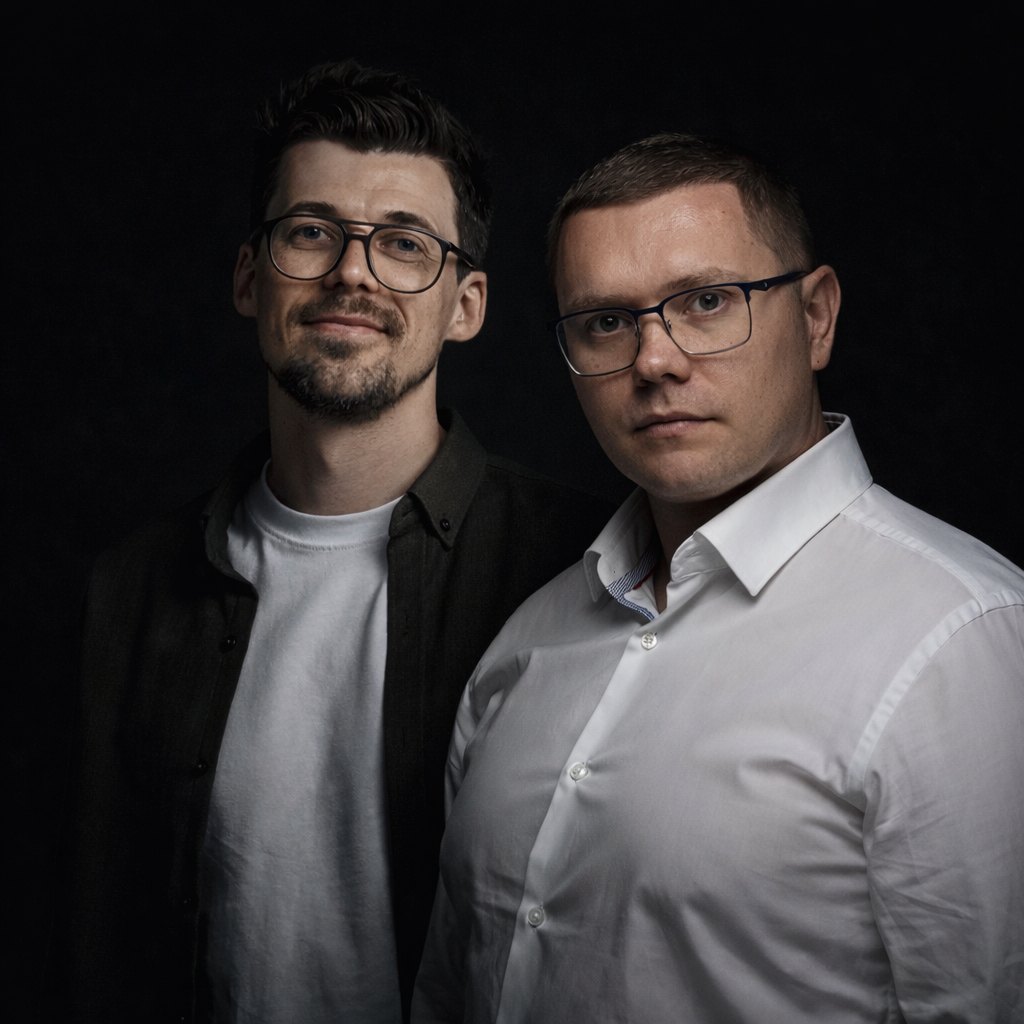
The freeze hit within 48 hours. That's the difference between chasing funds and recovering them.
Scams
we've
reversed.
We work exclusively on cases where a viable recovery path exists.
Phishing Scams
Fake portals and drainers that siphon wallets via malicious signatures. We trace and freeze recipient addresses.
Investment Fraud
Fraudulent platforms promising high yield. We map the flow from deposit to final off-ramp.
Rug Pulls
Developer-exit scams. Our reports identify beneficiaries across mixers and bridges.
Pump & Dump
Market manipulation. We document coordination patterns for regulator and court submission.
Impersonation Scams
Fake support, exchange reps, and celebrities. We trace impersonator wallets to real off-ramps.
Fake Wallets & Apps
Trojan apps that replace addresses or exfiltrate keys. We reconstruct theft and freeze destinations.
Airdrop Scams
Fake tokens that demand wallet access. We trace approvals and freeze recipient wallets.
Romance Scams (Pig Butchering)
Long-form social manipulation. We map flows from victim wallet to criminal off-ramp.

Frequently asked
questions.
Straight answers on pricing, process, and eligibility. Anything else — send us a message.
Is your case
eligible?
- Minimum loss of $200,000 USD equivalent
- Transaction hashes (TXIDs) available
- Incident within days preferred — older cases evaluated individually
We evaluate every case. Assets that have remained stationary since the incident may be recoverable regardless of time elapsed.
Act immediately.
Every hour increases the risk of fund movement. Early engagement is the single strongest predictor of recovery success.
Lost crypto?
Contact us.
Our intake team reviews new cases within 2 hours during business hours. All submissions are confidential and treated with the highest discretion.